
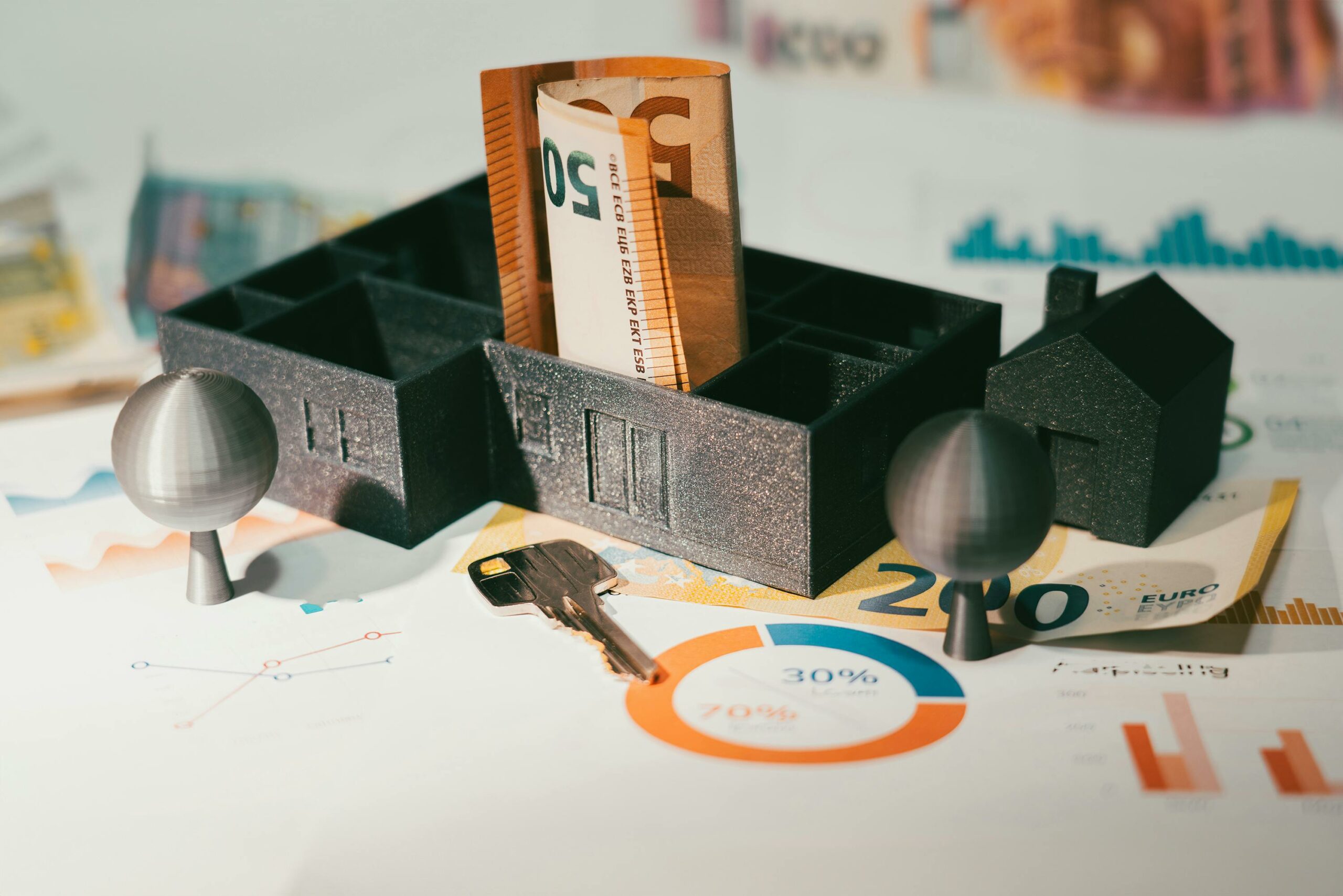
It’s the question that keeps coming up in every entrepreneur group, every finance podcast, every dinner conversation where someone mentions they’ve got some cash to invest. Should you buy a flat and rent it out, or pour that money into building an online business ? Both options have their fans, and both have their horror stories. But in 2026, the landscape has shifted enough that the answer isn’t as obvious as it used to be.
The Context Has Changed – A Lot
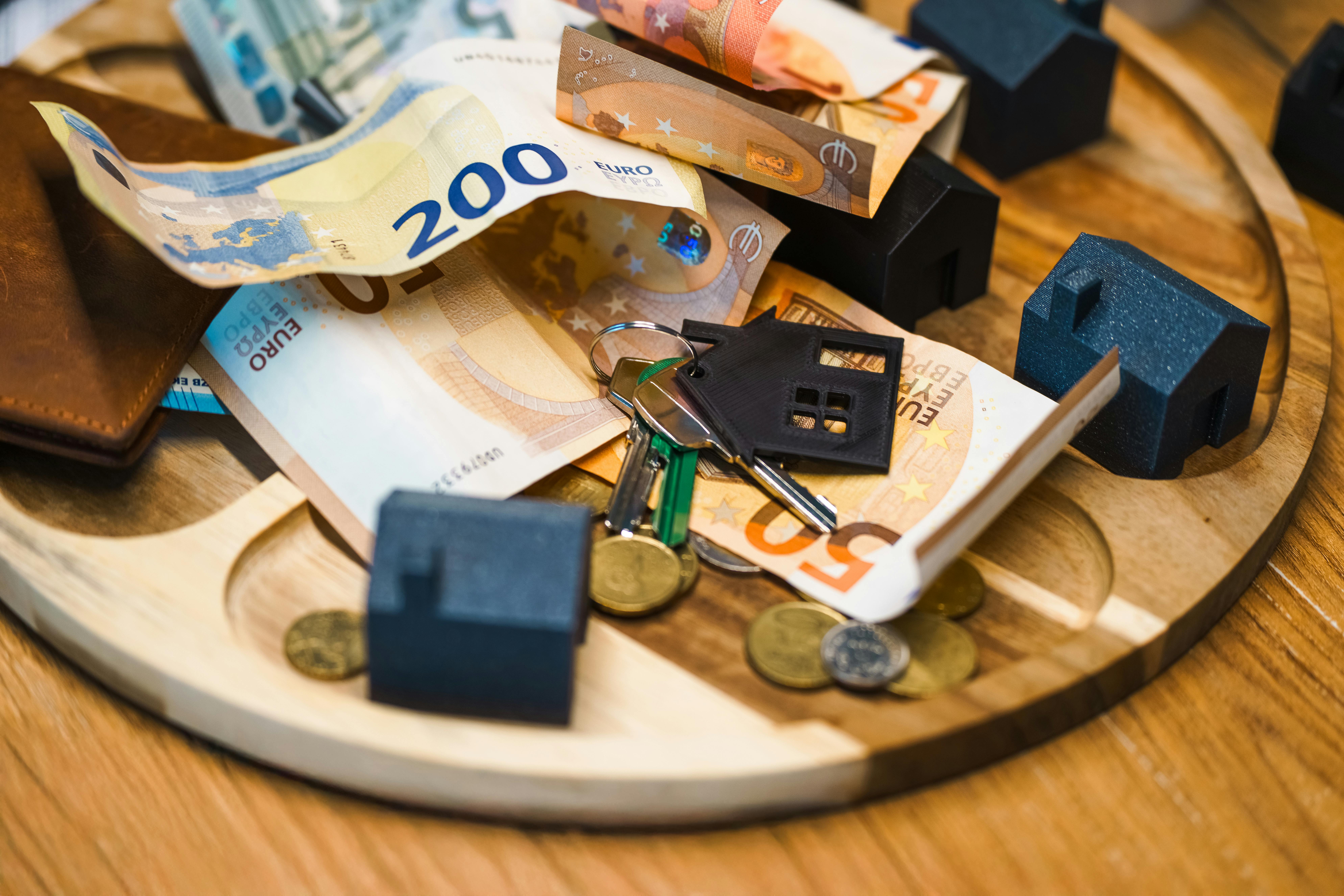
A few years ago, buying a rental property felt like the safe bet. Prices kept going up, interest rates were low, and the whole thing practically ran on autopilot. But things look different now. Interest rates have climbed, property prices in many areas have plateaued, and the regulatory environment for landlords has gotten significantly tighter. Before jumping into any property investment, it’s worth running the numbers carefully – tools like estimer-credit-immobilier.fr can help you estimate your borrowing capacity and get a realistic picture of what you can actually afford. Because the gap between “I think I can buy a flat” and “I can actually afford to buy a flat and still make a profit” is bigger than most people realize.
On the other side, online businesses have matured. We’re not talking about dropshipping schemes from 2018 anymore. E-commerce, SaaS, content-based businesses, digital services – the options are broader, and the tools available are genuinely impressive. But the competition has also exploded. Starting an online business in 2026 isn’t the wild west it was five years ago.
Rental Property : The Pros You Already Know (And the Cons You Don’t)
Let’s start with what rental investment does well. It’s tangible. You can touch it, visit it, show it to your parents and they’ll understand what you’ve done. There’s a psychological comfort in owning physical property that no digital asset can replicate.
The rental income is relatively predictable. Once you’ve got a tenant in place, money comes in every month. And over a long enough timeline, property values tend to go up – even if the short-term fluctuations can be nerve-wracking.
But here’s what a lot of first-time investors don’t anticipate : the costs never stop. There’s maintenance, insurance, management fees if you use an agency, void periods when no one’s renting, and the occasional nightmare tenant who stops paying and takes months to evict. I’ve spoken to landlords who made great returns, and I’ve spoken to others who basically worked a part-time job they didn’t sign up for.
Then there’s the liquidity problem. Your money is locked in bricks. Need cash quickly ? You can’t sell a flat in two weeks. It takes months, sometimes longer. And if the market dips right when you need to sell, tough luck.
The real question isn’t “will I make money with rental property ?” – it’s “will I make enough money to justify the capital tied up, the time invested, and the risk taken ?” In 2026, with current mortgage rates and tighter tax rules for landlords, the margins are thinner than they were a decade ago. That’s just a fact.
Online Business : Huge Upside, But Don’t Romanticize It

The appeal of an online business is obvious. Low startup costs compared to property. No mortgage needed. You can start from your kitchen table. And the potential upside ? Honestly, it’s massive. A successful online business can scale in ways that a single rental flat never will.
Think about it : a well-run e-commerce store or a SaaS product can generate revenue while you sleep, from customers anywhere in the world. There’s no leaky roof to fix, no tenant disputes, no local council regulations to navigate. The operating costs are typically much lower, and you can often test ideas with a few hundred pounds before committing serious capital.
But – and this is a big but – most online businesses fail. That’s not pessimism, that’s reality. The barrier to entry is low, which means competition is fierce. Building something that actually generates consistent revenue takes time, skills, and often more money than people expect. Marketing costs alone can eat through a budget fast.
And here’s the thing nobody talks about enough : an online business requires you. Especially in the early stages. We’re talking evenings, weekends, constant problem-solving. A rental property, once it’s set up and tenanted, largely ticks along. An online business needs feeding every day, at least until you’ve built systems and maybe hired people to run parts of it.
The Numbers : What Does Each Option Actually Look Like ?
Let’s get concrete. Say you’ve got £50,000 to invest.
Rental property route : With a £50,000 deposit, you might secure a mortgage on a property worth around £200,000 to £250,000 in many UK cities outside London. Gross rental yield in the UK averages somewhere around 5-7% depending on the area. After mortgage payments, maintenance, insurance, and management fees, your net return might land between 2-4% annually on the full property value. That’s not nothing, but it’s not spectacular either.
Online business route : That same £50,000 could fund the launch and first year of operation for a solid e-commerce brand or a niche SaaS product. If it works – and that’s a genuine if – you could see returns that dwarf any rental yield. I’m talking 20%, 50%, even 100%+ returns on your initial investment. But there’s a real chance you lose a significant chunk of that money if the business doesn’t find its market.
The risk profiles are completely different. Property is lower risk, lower reward. Online business is higher risk, potentially much higher reward. Neither is objectively “better.” It depends entirely on your situation.
So Which One Should You Choose ?

Honestly ? It depends on who you are. And I mean that literally.
Choose rental property if : you want something relatively stable, you have a decent deposit saved, you’re comfortable with a long-term commitment, and you don’t mind the occasional hassle of property management. It works best if you already have a steady income from your job or other business and want to diversify.
Choose an online business if : you have skills in marketing, tech, or a specific niche, you’re willing to put in serious time and effort upfront, you can handle the uncertainty of no guaranteed income for months, and you’re excited by the idea of building something from scratch. It’s best suited for people who are entrepreneurial by nature and okay with calculated risk.
And here’s a thought that might surprise you : you don’t have to choose just one. Some of the smartest investors I know started an online business first, grew it to profitability, and then used the cash flow to fund property investments. The online business generates active income. The property builds long-term wealth. Together, they complement each other beautifully.
The Hybrid Approach : Why It’s Worth Considering
I think the either/or framing is actually a bit misleading. In 2026, the real opportunity might be in combining both.
Start with an online business because it requires less capital upfront. Build it over 12 to 18 months. Once it’s generating consistent revenue, use that income – plus whatever you’ve saved from your main job – as a deposit on a rental property. Now you’ve got two income streams working in parallel.
It’s more work ? Absolutely. But it also means you’re not betting everything on a single outcome. And diversification isn’t just a buzzword – it’s genuinely how you protect yourself when one market turns sour.
Final Thoughts

There’s no perfect answer here, and anyone who tells you otherwise is probably trying to sell you a course. Rental property is solid but slow. Online business is exciting but unpredictable. Both can work brilliantly. Both can also go sideways.
What matters most is that you go in with realistic expectations, a clear understanding of the numbers, and enough self-awareness to know which path fits your personality and your life right now. Don’t invest in rental property just because your uncle did well with it in 2010. Don’t start an online business just because some guy on YouTube made it look easy.
Do your homework. Run the numbers. And whatever you choose – commit to it properly. Half-hearted investments, whether in property or in business, are the ones that lose money.