
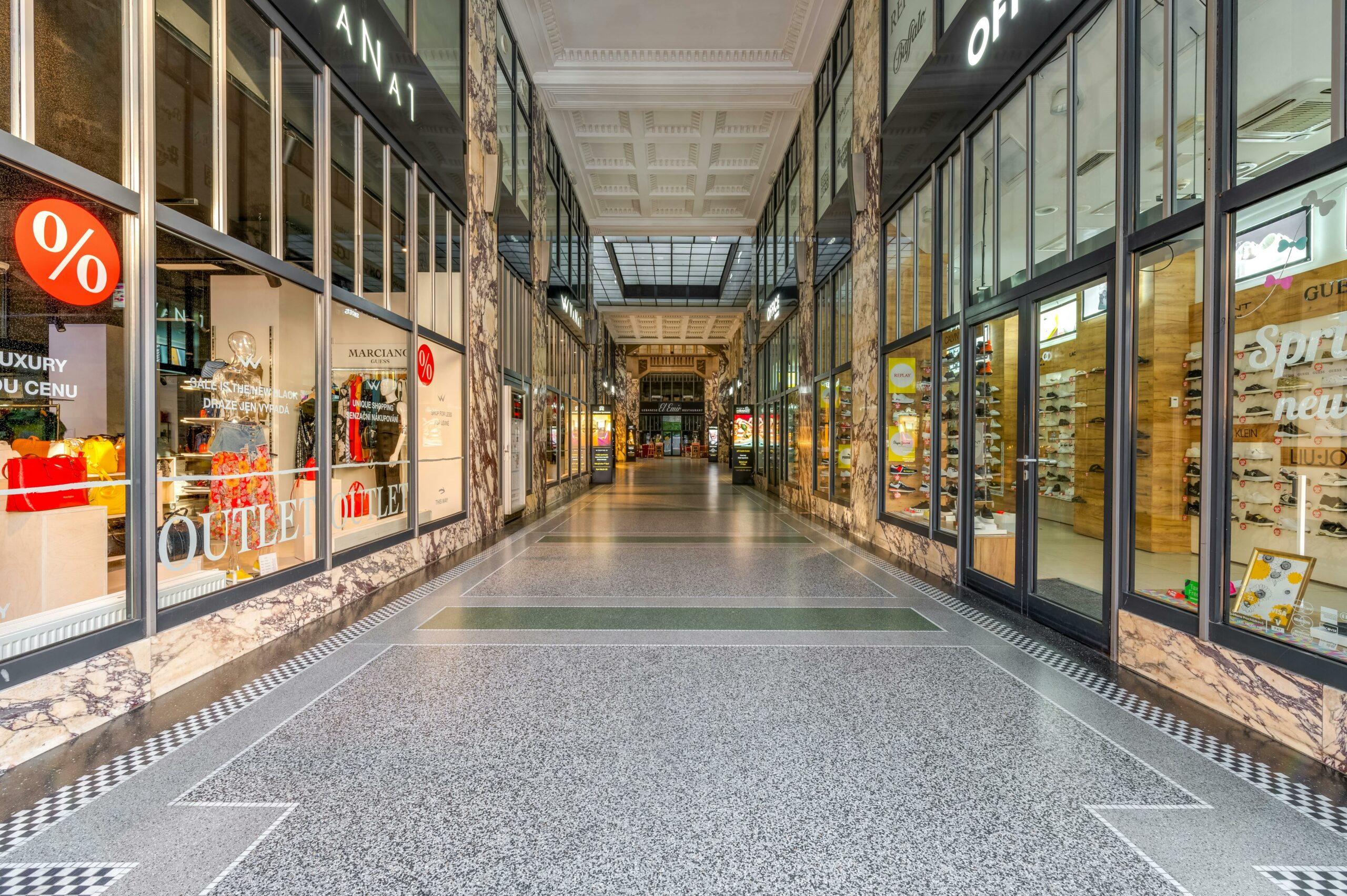
Buying a commercial space is one of the biggest financial decisions you’ll ever make as a business owner. And honestly ? It’s also one of the easiest to mess up. I’ve seen entrepreneurs rush into purchases that looked perfect on paper, only to end up stuck with a property that bleeds money every single month. The excitement of “owning your own place” can cloud your judgment fast.
Why Getting It Right Matters More Than You Think
The thing about commercial real estate is that mistakes don’t just cost you a bit of money – they can genuinely threaten your entire business. We’re talking about long-term commitments, heavy upfront costs, and ongoing expenses that don’t care whether your revenue had a bad quarter. Before you even start visiting properties, it’s worth understanding how property valuation actually works. The team at estimer-appartement.com breaks down property estimation in a way that’s actually useful, even if your focus is commercial rather than residential. Because the fundamentals of assessing value ? They’re surprisingly similar.
Now let’s dig into the mistakes. These are the ones I see over and over again.
Mistake 1: Not Calculating the True Total Cost

This is the big one. The purchase price is just the beginning. Seriously, just the beginning.
On top of the price tag, you’ve got stamp duty, legal fees, survey costs, potential renovation work, insurance, business rates, and ongoing maintenance. For a property listed at £250,000, the actual cost in your first year can easily exceed £300,000 once everything is factored in.
I’ve talked to entrepreneurs who budgeted perfectly for the purchase – and then had absolutely nothing left for the fit-out. They moved into an empty shell with no cash to actually make it functional. Don’t be that person. Build a buffer of at least 15-20% on top of the purchase price. If you don’t need it, great. But you probably will.
Mistake 2: Choosing Location Based on Price Instead of Footfall
Cheap rent. Quiet street. Plenty of parking. Sounds ideal, right ?
Maybe. Or maybe it’s cheap because nobody goes there.
If your business depends on walk-in customers – a café, a retail shop, a salon – then location isn’t just important, it’s everything. A slightly more expensive spot on a busy high street will almost always outperform a bargain unit tucked away in an industrial estate.
Now, if you run a consultancy or a warehouse operation, sure, footfall doesn’t matter as much. But even then, think about accessibility for your team and your clients. That unit 45 minutes from the nearest train station might look great on Rightmove, but good luck convincing anyone to visit.
Mistake 3: Skipping the Survey

I get it. Surveys cost money, and the building “looks fine.” Famous last words.
A proper commercial building survey can uncover structural issues, damp problems, asbestos, electrical faults, and drainage nightmares that aren’t visible during a viewing. We’re talking about problems that can cost tens of thousands to fix – sometimes more than the property is worth.
A full building survey typically runs between £1,000 and £2,500 depending on the size and type of property. Compare that to a £40,000 roof repair you didn’t see coming. The survey isn’t optional. It’s insurance.
Mistake 4: Ignoring Planning and Zoning Restrictions
This one catches more people than you’d expect. You find the perfect space, you buy it, you start planning your dream restaurant layout – and then the council tells you the property is zoned for retail only. No food preparation allowed. No change of use without a lengthy application that might get rejected anyway.
Before you commit to anything, check the property’s use class. In England and Wales, commercial properties fall under different planning categories – Class E covers a broad range now including shops, offices, and restaurants, but there are still restrictions depending on the specific property and local authority.
Call the council. Ask directly. Don’t assume the estate agent has checked this for you, because frankly, half the time they haven’t.
Mistake 5: Not Negotiating Hard Enough

Here’s something that surprised me when I first got into commercial property : almost everything is negotiable. The asking price, the completion timeline, what fixtures are included, who pays for repairs identified in the survey – all of it.
Most entrepreneurs treat the listed price like a fixed number. It’s not. Commercial property sellers expect negotiation. If you don’t push back, you’re leaving money on the table. Potentially a lot of money.
Get a solicitor who specializes in commercial property. Not your mate who does residential conveyancing on the side. A proper commercial property solicitor who knows where the pressure points are and what clauses to fight for. Yes, they cost more. They also save you more.
Mistake 6: Underestimating Renovation and Fit-Out Costs
You’ve seen the space. It needs “a bit of work.” Maybe some painting, new flooring, a few partition walls. How much can that really cost ?
A lot. The answer is always a lot.
Commercial fit-outs in the UK typically range from £30 to £150 per square foot depending on the level of finish and the type of business. For a 1,500 square foot space, you’re looking at anywhere from £45,000 to £225,000. That’s not pocket change.
And here’s the thing that gets people – the timeline. Renovations always take longer than planned. Every single time. If the contractor says six weeks, mentally prepare for ten. If they say three months, budget for five. This isn’t pessimism, it’s just reality. Delays mean extra rent at your current location, delayed revenue from your new one, and a whole lot of stress you didn’t plan for.
Mistake 7: Buying When Leasing Would Make More Sense

Not every business needs to buy. I know that sounds strange in an article about buying commercial property, but hear me out.
If your business is under three years old, your revenue fluctuates significantly, or you’re not sure whether your current location is the right long-term fit – leasing might be the smarter move. Buying ties up a huge amount of capital that you could otherwise invest in growth, hiring, or marketing.
Owning property makes sense when your business is stable, your cash flow is predictable, and you’re confident you’ll be in the same location for at least 5-10 years. If any of those conditions aren’t met, think carefully before signing.
There’s no shame in leasing. Some of the most successful businesses I know have never owned their premises. They put that capital to work in the business instead of under it.
One Last Thing Before You Sign Anything
Buying commercial property can be a brilliant move. It builds equity, gives you stability, and removes the uncertainty of a landlord deciding not to renew your lease. But only if you go in with your eyes open.
Do the maths properly. Get the survey done. Check the planning restrictions. Negotiate like your business depends on it – because it does. And if something feels off during the process, trust that feeling. There’s always another property. There’s not always another chance to get it right.
Take your time. Ask the hard questions. And whatever you do, don’t let the excitement of owning a space make you forget to run the numbers. That’s the one mistake that ties all the others together.